
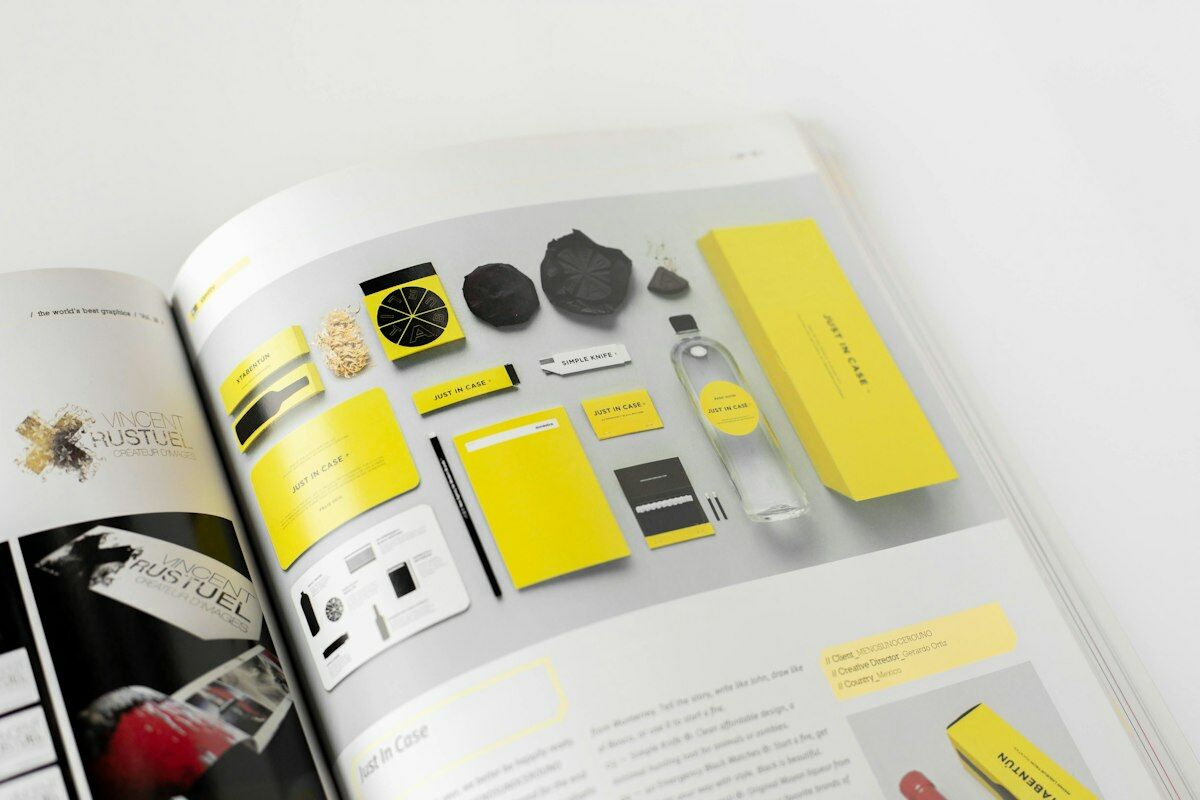
A lot of founders think about branding as “I need a logo”. A logo is part of it, sure, but only a small part, and the rest is what people actually remember about you after they’ve walked past your shop, looked at your website or seen one post.
Sorting this out early saves money and a fair bit of confusion later. You don’t need a big budget either. Sole traders and small teams can do most of it themselves.
The Queensland Government guide to branding your business describes a brand as more than a name, logo and tagline. It says your brand is what customers think of when they think of your business. It breaks that into tangible parts like premises, uniforms and campaigns, and intangible parts like reputation, service and behaviour.
So every time someone deals with you, you’re building it or chipping away at it. A friendly phone call adds a bit. A late delivery takes a bit away. The guide calls your brand the sum total of the experience, which is a fairly good way to think about it.
Have a look at yourself, your customers and the competition
The Queensland guide suggests starting with three things, which it calls your company, your customers and your competitors. Be honest about what your business does well and what it stands for. Then think about who you want to serve and what they care about. And then look at how your competitors present themselves, so you can find a way to stand apart from them.
None of this needs expensive research. Talk to a handful of people who might buy from you and write down the words they use. Go through competitor websites and social pages and note what they promise. You’ll start seeing patterns pretty quickly, and usually a gap or two you could fill.
Then get it down on one page. The guide suggests covering your vision, purpose, values, promise, personality and proof, where proof is the evidence that backs up what you claim. A one page summary means everyone, including staff you haven’t hired yet, is working from the same idea.
Use plain words. Your promise might just be fast, friendly repairs within one suburb. Your personality might be calm and practical, or bright and playful. Whatever you pick, make sure it’s something you can live up to on a flat out Tuesday, because customers notice when a business oversells. The guide warns that customers are put off when a brand promises more than it delivers. So start with something modest and build on it as you grow.
Logo, colours and the look
The visible side is what the guide calls brand identity. It lists the business name, logo, tagline, colours, fonts, graphics and images, and recommends elements that are simple, memorable, ownable, enduring and versatile. In real life that mostly means a logo that still reads properly when it’s tiny on a phone screen. Test that before you sign off on anything.
Stick to two or three main colours and one or two fonts, and use them everywhere. Pick a photo style too, say natural light or bold close ups, and don’t drift from it. That’s what makes your posts and pages recognisable without anyone having to read the name.
For a lot of people your website is the first time they come across you, and the colours, layout and tone all say something about who you are. Our article on web design factors that build your brand goes into this in more depth. Make sure the site works properly on phones as well, and have a read of our tips on optimising mobile content if you’re not sure.
If design isn’t your thing, get a graphic designer. The Queensland guide suggests a brand consultant or designer if you don’t have the skills in house. It also recommends getting legal advice on intellectual property before you commit to a name and logo, and that advice can cover names, logos and trade marks. Do the name check before you spend anything on design. Changing your name after the signs and uniforms are printed is an expensive mistake.
How you sound
Voice is how your business comes across in writing and in person. It’s the words you use, how formal you are and how you deal with complaints. A plumber might want to sound direct and reassuring. A kids’ party business probably wants to sound warm and fun.
Make a short list of words you’ll use and words you won’t, and apply it to your website, social posts, quotes and emails. Email is where it slips most often, so keep an eye out for the email copywriting mistakes that make a business sound careless. Reading a message out loud before you hit send is an old trick but it works.
Keeping it the same everywhere
This is where a lot of small brands come unstuck. The Queensland guide recommends writing down the rules for your brand assets in a style guide, and keeping a checklist of every channel, things like premises, websites, social media, brochures, vehicles and uniforms. Go through each one against your style guide every few months.
Your business name, address and contact details need to match on every listing as well. When they don’t, customers get confused and the business looks less established. Even professional firms get this wrong, which is why it’s in our SEO checklist for local lawyers, and the same goes for a new café, a trade or an online shop.
And it applies to how people behave. The guide describes your brand as the external expression of your internal culture. If you promise friendly service, every person on the team has to deliver it, and no logo will cover for poor service. Train new staff on the brand in their first week.
Some founders get keen on having several brands for different products. The guide notes that for most businesses the business name is the brand name, and that small budgets are best served by one brand, one strategy and one budget. You can always add sub brands later if things take off.
Once it’s all set, don’t keep fiddling with it in the first few years, since recognition takes time to build. Small tweaks to photos or wording are fine. About once a year, do what the guide calls a brand audit, comparing your actual brand with the one you meant to have. It suggests looking at customer feedback, sales and social media data, competitors and your marketing material, then putting whatever fixes you find into your marketing plan. Only make big changes when there’s a clear reason to.